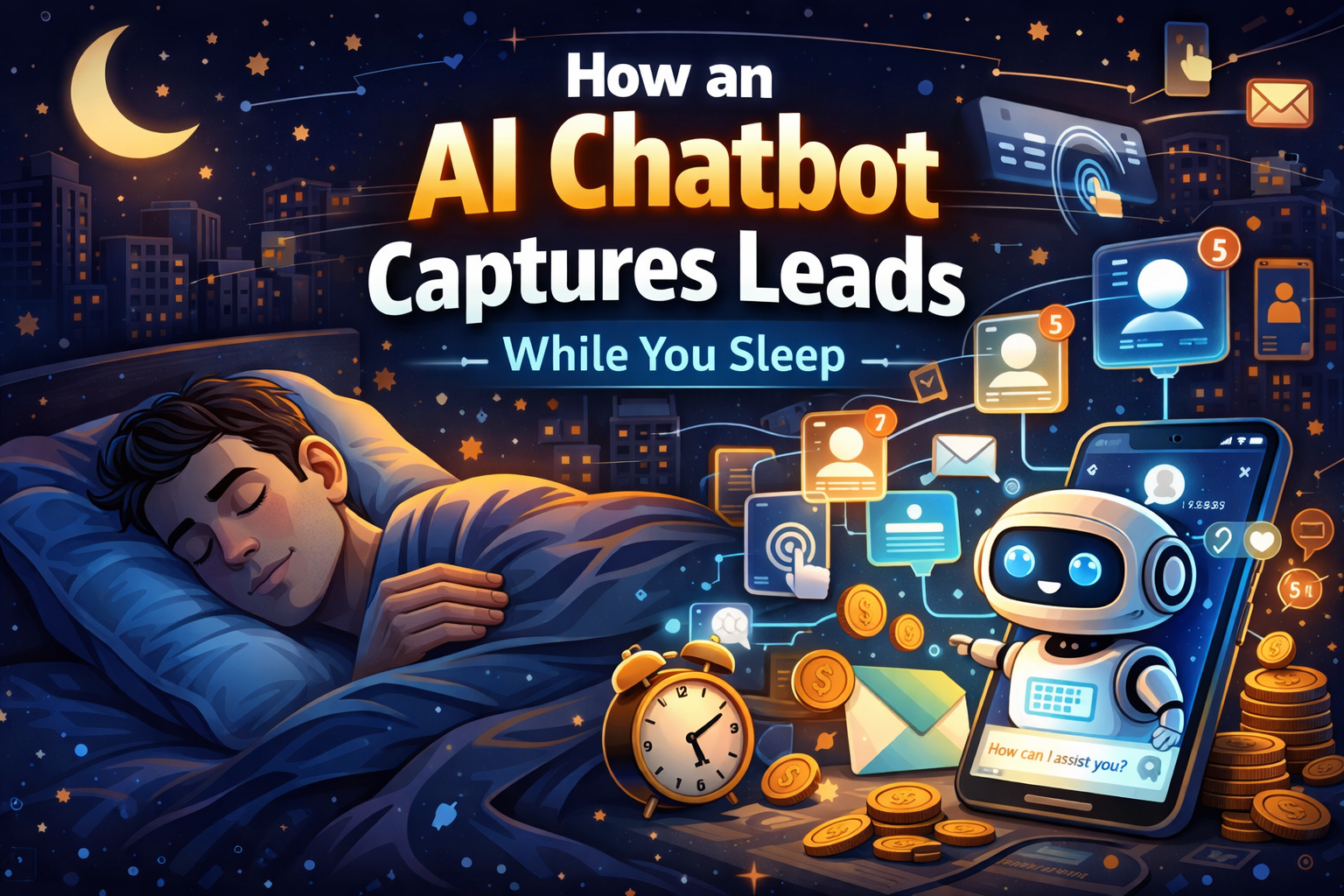
How an AI Chatbot Captures Leads While You Sleep
Defining the Central Topic
Boosting sales using smart chatbots refers to the strategic use of artificial intelligence (AI) and natural language processing (NLP) tools to optimize customer interactions, improve lead conversion, and enhance overall customer experience. Chatbots are automated systems capable of simulating human conversation, allowing businesses to provide real-time support and personalized product recommendations. The goal is not only to reduce operational costs but also to enrich the buyer’s journey, making purchasing simpler, faster, and more satisfying. In modern commerce, chatbots represent a bridge between technology and consumer behavior, helping businesses scale customer engagement effortlessly.
The Origins and Historical Context
The concept of chatbots dates back to the 1960s with the creation of ELIZA, an early conversational program designed to mimic a psychotherapist’s responses. Although primitive, it introduced the idea of computer-mediated dialogue. Over subsequent decades, technological advances in machine learning and natural language understanding transformed chatbots from experimental curiosities into sophisticated commercial tools.
The rise of the internet and e-commerce in the late 1990s further accelerated their adoption, as companies looked for ways to provide 24/7 customer interaction. The emergence of messaging platforms and mobile applications in the 2010s enabled chatbot integration at scale, giving rise to powerful, AI-driven systems that could understand context, tone, and intent.
Core Principles and Methodologies
Modern chatbots rely on several key principles. First is **automation**, which allows businesses to manage large volumes of customer inquiries without increasing staff. Second is **personalization**, leveraging data analytics to tailor responses and product suggestions based on customer profiles. Third, **integration** ensures that chatbots seamlessly connect with CRM systems, payment gateways, and inventory databases to provide accurate information in real-time.
Methodologies vary depending on complexity. Rule-based bots follow predefined scripts and decision trees, making them ideal for simple inquiries. AI-powered chatbots, in contrast, use machine learning to enhance understanding and adapt their responses over time. Continuous data training allows them to learn from real-world interactions, ensuring improved accuracy and user satisfaction. A balanced strategy often involves a hybrid model — combining scripted flows for common tasks with AI components for nuanced situations.
Relevance in Today's World
In today’s digital-first economy, smart chatbots have become essential to sales and marketing ecosystems. With consumers expecting quick, accurate responses, businesses use chatbots to deliver immediate engagement across websites, apps, and social media platforms. They offer an “always-on” solution that meets global demand across different time zones. Particularly after major shifts toward remote and online shopping, companies have realized chatbots are not just tools for answering questions: they are active partners in driving conversion and loyalty.
Smart chatbots also contribute to data-driven decision-making. Each interaction generates valuable insights into consumer preferences, behaviors, and pain points. This information empowers companies to refine campaigns, optimize pricing strategies, and personalize follow-ups. As digital privacy standards evolve, ethical AI principles ensure that data usage remains transparent and compliant with regulations, maintaining consumer trust.
Common Issues and Solutions
Despite their advantages, chatbots face several common challenges. One issue is **limited understanding**, where bots misinterpret nuanced or emotional customer inputs. Continuous model training, expanded vocabulary databases, and sentiment analysis can reduce these errors. Another limitation involves **user frustration** when chatbots fail to escalate complex issues to human agents. The solution lies in designing clear transition protocols, allowing smooth handoffs to support staff when necessary.
Moreover, some consumers perceive chatbots as impersonal. To address this, designers integrate more natural conversational tones, emojis, or context-based empathy cues. Multilingual capabilities are also essential, particularly for global businesses seeking to engage diverse markets. Regular updates, performance monitoring, and user feedback loops ensure chatbots evolve alongside business needs.
Examples from Everyday Life
Smart chatbots already influence countless aspects of daily shopping experiences. Retailers use bots to offer personalized fashion suggestions, helping customers find clothing in the right size and style. Financial institutions employ chatbots to simplify transactions, check account balances, and alert users to suspicious activities. Airlines and travel agencies provide instant booking confirmations and itinerary changes through conversational assistants.
In customer service, e-commerce companies like those operating marketplace platforms deploy chatbots to track shipments, process returns, and respond to feedback. Tech-driven restaurants use them for order management and reservation scheduling, while healthcare providers incorporate them into patient portals for quick symptom checks or scheduling appointments. Each of these examples demonstrates how intelligent automation enhances convenience and strengthens brand relationships.
Cultural and Economic Influences
Cultural norms shape how consumers interact with chatbots. In markets where high-touch service is valued, people may resist automated assistance, preferring direct contact with human representatives. Conversely, in tech-savvy regions, chatbot usage is embraced as a sign of modern efficiency. Language and communication style play significant roles: humor, slang, and politeness vary across countries, requiring localized chatbot customization.
Economically, chatbots contribute to cost savings and operational scalability. They enable small businesses to compete with large enterprises by providing affordable, consistent service. The global chatbot market has grown substantially, reflecting companies’ desire to minimize overhead while maximizing reach. Additionally, as automation frees staff from routine inquiries, human agents can focus on complex tasks that demand creativity and empathy, boosting overall productivity and job satisfaction.
Latest Discoveries and Improvements
Advancements in AI and NLP continue to refine chatbot intelligence. Recent improvements include enhanced contextual memory, allowing bots to remember past interactions and maintain coherent conversations. Voice integration using speech recognition enables hands-free engagement on mobile and smart home devices. Sentiment analysis now interprets emotional tone, helping chatbots adjust language based on customer mood, fostering empathy in digital communication.
Moreover, generative AI models have empowered chatbots to compose adaptive responses far beyond pre-scripted templates. As a result, they are capable of dynamic dialogue that supports marketing funnels, content recommendations, and post-purchase engagement. Another innovation lies in predictive analytics, through which chatbots anticipate user needs before a query is made, offering proactive solutions that can significantly raise conversion rates.
Forecasting Future Developments
Looking ahead, chatbots will likely evolve into even smarter digital sales assistants. The integration of multimodal communication - combining text, voice, image, and video - will create richer interactions. AI will become more contextually aware, understanding not only what customers say but what they mean, through emotional and behavioral pattern recognition. Enhanced personalization will enable chatbots to deliver hyper-relevant offers, mirroring the expertise of professional salespeople.
In addition, blockchain and decentralized identity frameworks may offer new layers of data security, strengthening consumer confidence in AI-driven systems. As businesses adopt sustainable practices, chatbots may play a role in promoting eco-friendly options, guiding customers toward ethical choices. Ultimately, the future of sales-driven chatbots points toward collaboration rather than replacement - augmenting human intelligence to achieve seamless, customer-centric digital ecosystems.
Wrapping Up with Key Takeaways
Smart chatbots have evolved from simple automated responders into powerful allies for businesses seeking to enhance sales performance and customer satisfaction. By leveraging AI, analytics, and human-centered design, they create meaningful, efficient, and personalized interactions. Success with chatbots depends on continuous refinement, ethical data use, and integration with broader customer experience strategies.
In essence, boosting sales with smart chatbots is not only a technological endeavor but also a cultural and strategic transformation. Companies that invest thoughtfully in chatbot capabilities position themselves for stronger customer loyalty, operational efficiency, and future-ready competitiveness. As these systems grow increasingly intelligent, they will shape the way people shop, communicate, and connect — transforming digital commerce into a truly conversational experience.